For many people, the Roman Empire is their Roman Empire. For University of Michigan professor David Potter, the statement is much the same. As a Francis W. Kelsey Collegiate Professor of Greek and Roman History as well as Arthur F. Thurnau Professor, David Potter knows a thing or two about the Roman Empire. In fact,…
For many people, the Roman Empire is their Roman Empire. For University of Michigan professor David Potter, the statement is much the same. As a Francis W. Kelsey Collegiate Professor of Greek and Roman History as well as Arthur F. Thurnau Professor, David Potter knows a thing or two about the Roman Empire. In fact, he wants to share his knowledge with others: his students, and the internet.
As a historian, Potter has a personal collection of ancient coins, coins that he now puts on display during minute-long clips on Instagram. Though his classes can only be attended by his students, his videos can be entertained by anyone around the globe.
The idea initially came to him from his daughter, encouraging Potter to meet the masses where they are: social media.
“It was our older daughter, she does AI marketing, and said: ‘If you actually want to get where people are, this is where you should be,’ and so I did what she told me,” said Potter. “My daughter said, ‘you have to reach out to them where they are.’”
David Potter introduces his video on social media.
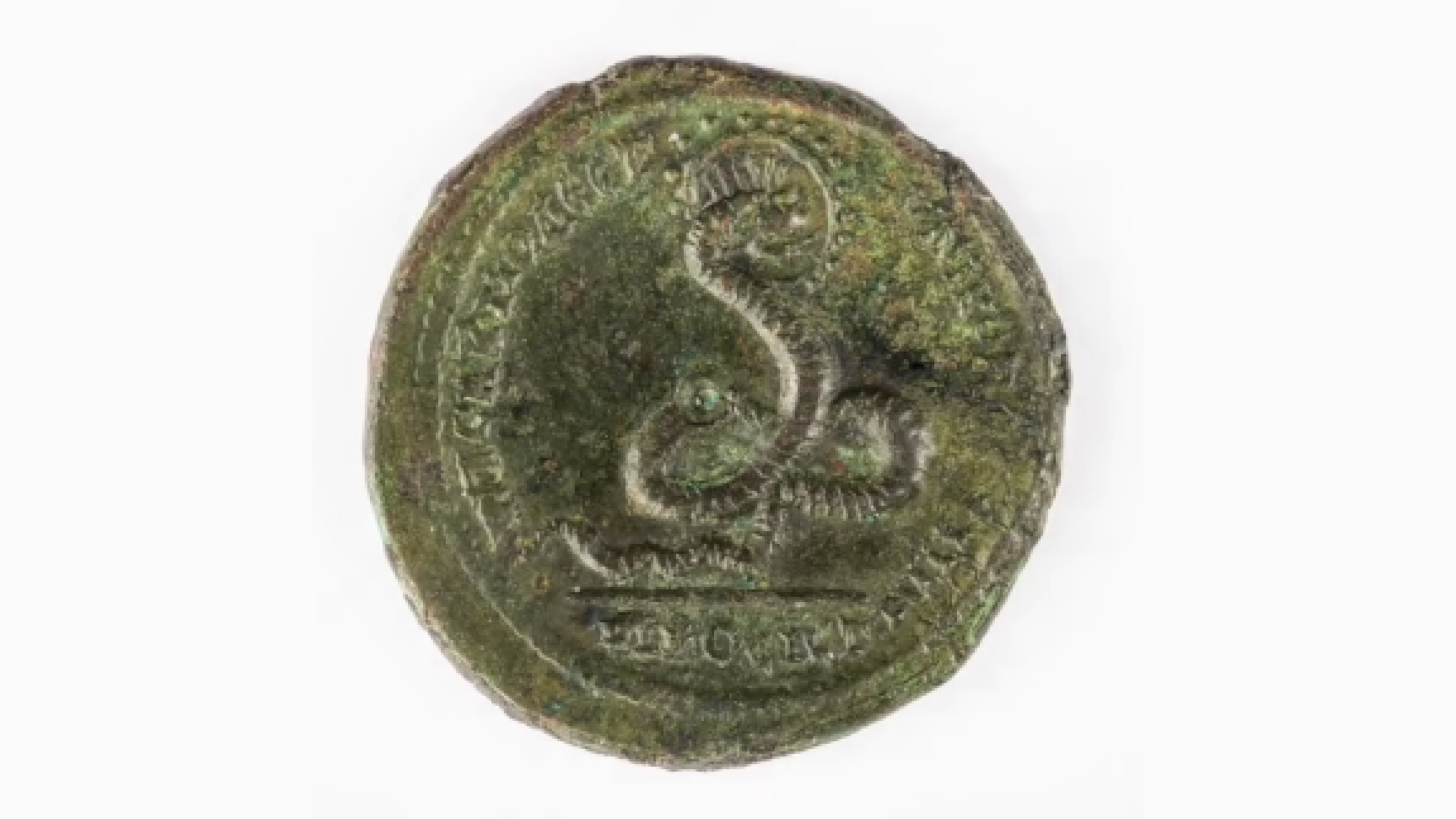
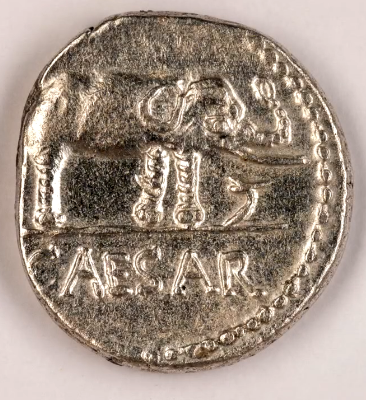
As a professor of Greek and Roman history, his videos showcase his expertise of the time period. And, due to the legal rights of what he can show, the coins presented are limited to his personal, though vast, collection. A coin favorite of Potters is a part of a video he has already published, ‘The Elephant in the Room,’ about Julius Caesar.
“It’s a coin with an elephant on the back,” said Potter. “What Caesar is doing there is producing a piece of family history, because the name Caesar, he’s saying, comes from the North African word for elephant, and one of his ancestors, the first Caesar, had killed an elephant in the wars of Carthage in the third century.”
Potter’s ‘Elephant in the Room’ coin, dating back to 48/49 BCE.
Potter had the coins and the knowledge for the videos, but just needed a place to record. After doing some digging, Potter came to the Duderstadt Center, which houses the Digital Media Common’s Groundworks, a place that has all the tools needed for video creation.
“I was asking around, where I could find the best help, and I came here, met Ryan [N. Wilcox], and his partnership with him has been extraordinary,” said Potter, with a smile. “I really learned a lot just from talking to him, like how long you can do this for and how to present things. His ability to take my blathering to turn it into something that you can watch is extraordinary.”
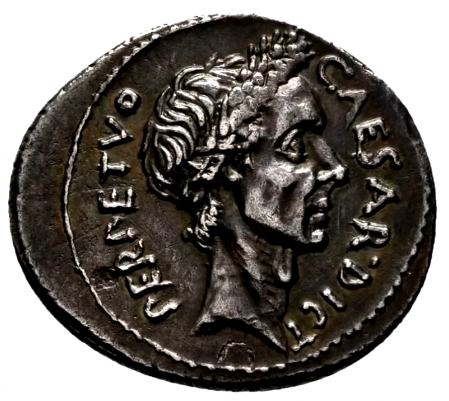
The front of a coin featuring Julius Caesar.
In Groundworks, Potter utilized the personal recording booth, for both isolated sound and video, the photo-taking station where he takes high-quality photos of his coins. While Groundworks student staff are trained and willing to help with every technology in the room, Ryan N. Wilcox, manager of the Groundworks Media Lab, wanted to help Potter personally.
“I was just hovering around Groundworks one day, and I saw him asking one of our student staff members about taking pictures using our photo table of these old coins,” said Wilcox. “I started talking with him about the coins, and learned that this is all for one-minute-long video clips on Instagram, for his department. He didn’t know what to do after he recorded this stuff; I talked to him about it, and have been helping him every few weeks, putting together these one-minute clips.”
The goal of the videos is simple: to educate. However, many parallels can be drawn between the modern world and the ancient civilizations.
“It’s part of what I’ve been trying to do since I came here, which is to explain to people why studying the ancient world is relevant and interesting to them,” said Potter. “The issues of the past are often the issues of the present– not all of them, because things change– but they’re still questions of relationships, which absolutely remain.”