
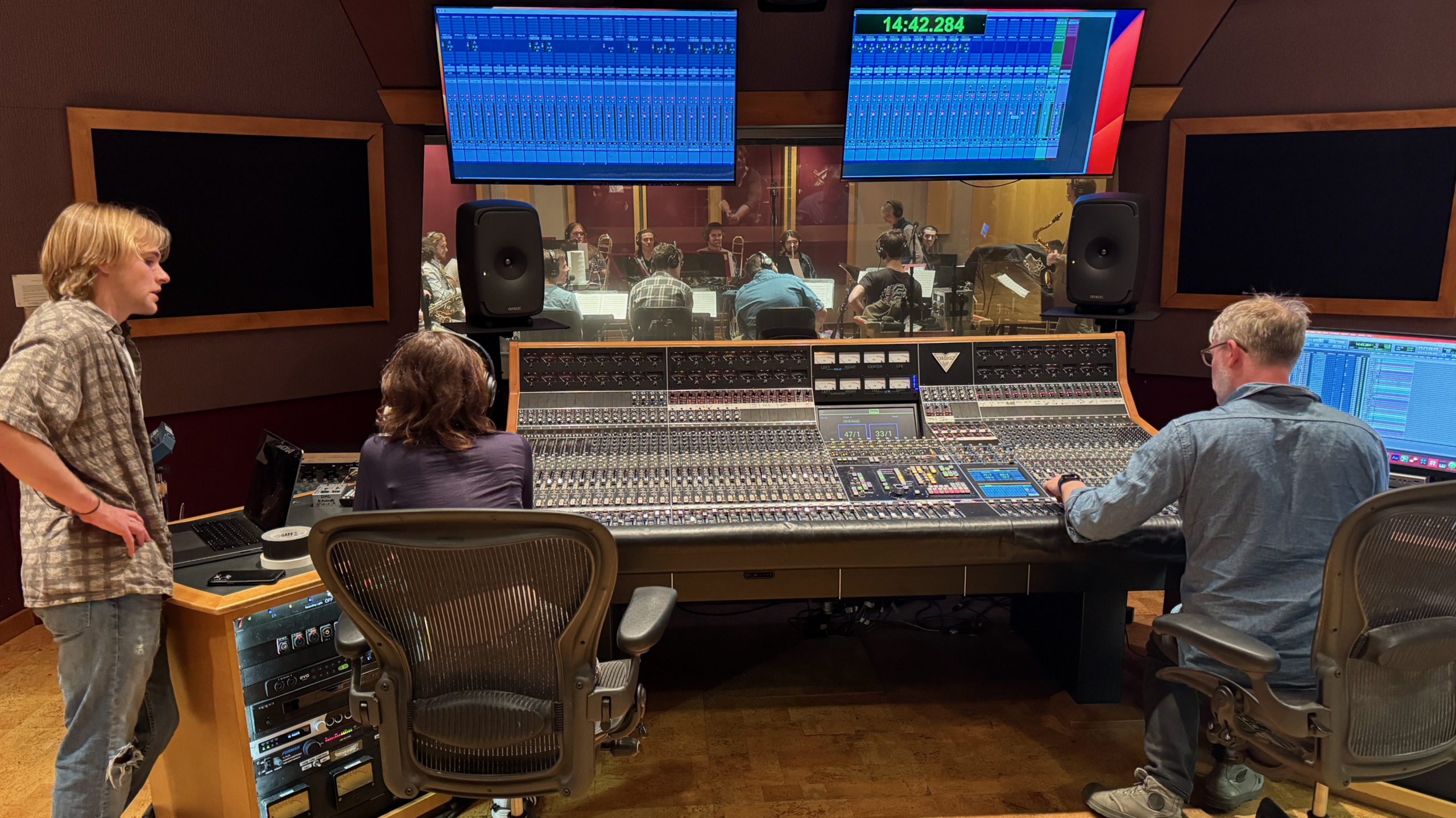
Duderstadt Center Studios
Audio Studios
The DMC Audio Studios at the James and Anne Duderstadt Center comprise three bookable professional studios designed to encourage experimentation, research, and the development of audio production skills and techniques. The studios provide access to state-of-the-art recording resources that support a broad range of creative, technical, and scientific activities, including stereo and surround recording, electronic music composition, recording experimentation, audio mixing, mixing audio to motion picture, scientific investigation, and acoustic studies
Recent Work & Portfolio
Studio Access
Choose the option below based on what you need—project support, collaboration, or training for independent use.
Faculty and graduate students can request support from a DMC professional audio engineer for recording projects. Submit the Audio Recording Project Support Request Form to get started.
Musicians looking to work with a certified student studio engineer can email [email protected]. This address reaches all certified studio users available for collaboration.
Musicians looking to work with a certified student studio engineer can email [email protected]. This address reaches all certified studio users available for collaboration.
Audio Studios Resources
Explore the following sections to see what each studio offers.
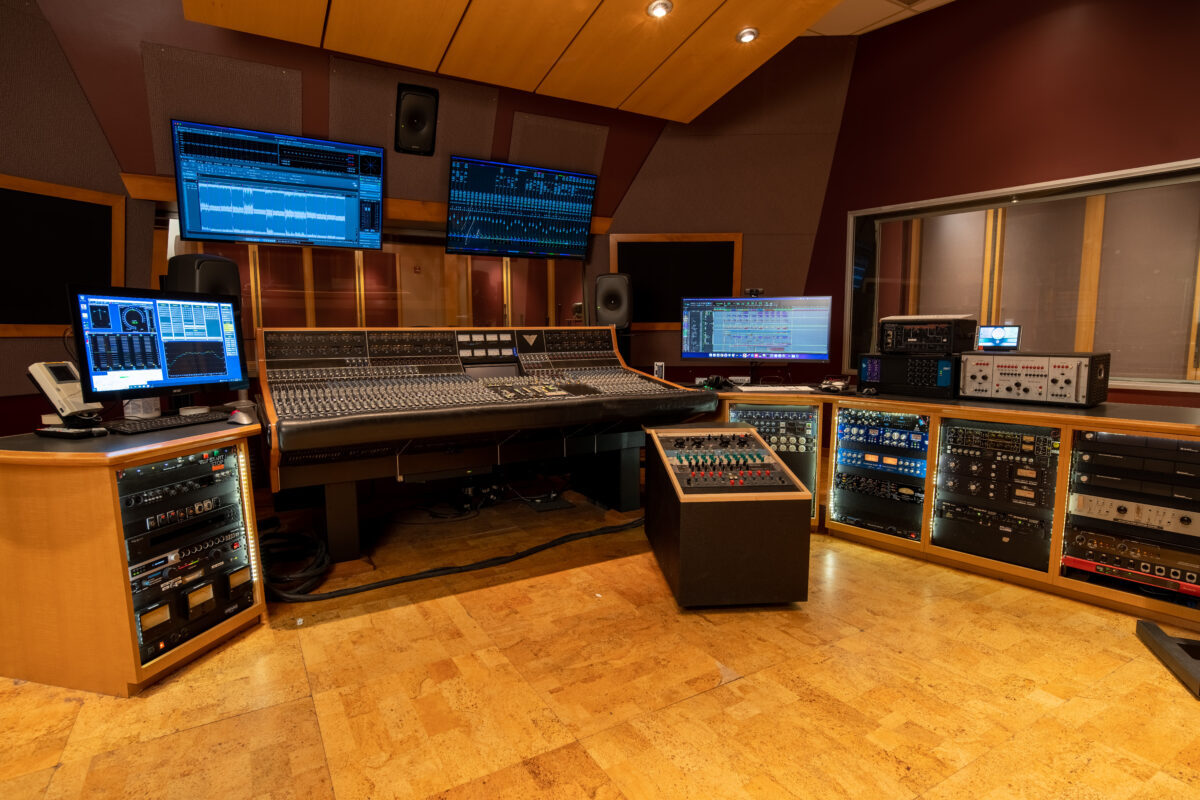
Audio Studio A at the University of Michigan’s Duderstadt Center is a professional-grade audio production studio designed for recording, mixing, experimentation, and research.
The studio is organized as a five-room studio consisting of a central control room, main tracking room, and three isolation booths, centered around a 48-channel API Vision analog recording console. The layout of the studio allows musicians and engineers to record up to 56 discreet sound sources while maintaining separation and control over the recording environment. The space is particularly suited to high-quality music recording with resources such as a Steinway B 7ft Grand Piano, Guitar Amplifiers by Marshall, Vox Fender, and Orange, Nord Electro Keyboard and an extensive collection of analog and digital outboard equipment – including mic preamps, equalizers, dynamics, delays, and reverbs. This makes the studio appropriate not only for traditional music production but also for experimental sound work, immersive audio, and research involving spatial acoustics.
Audio Studio A is a reservable facility available to University of Michigan students, faculty, and staff who have completed the required training and certification.
Visit the equipment list to see all tools available.
Visit Audio Studio A Wiki page for full details.
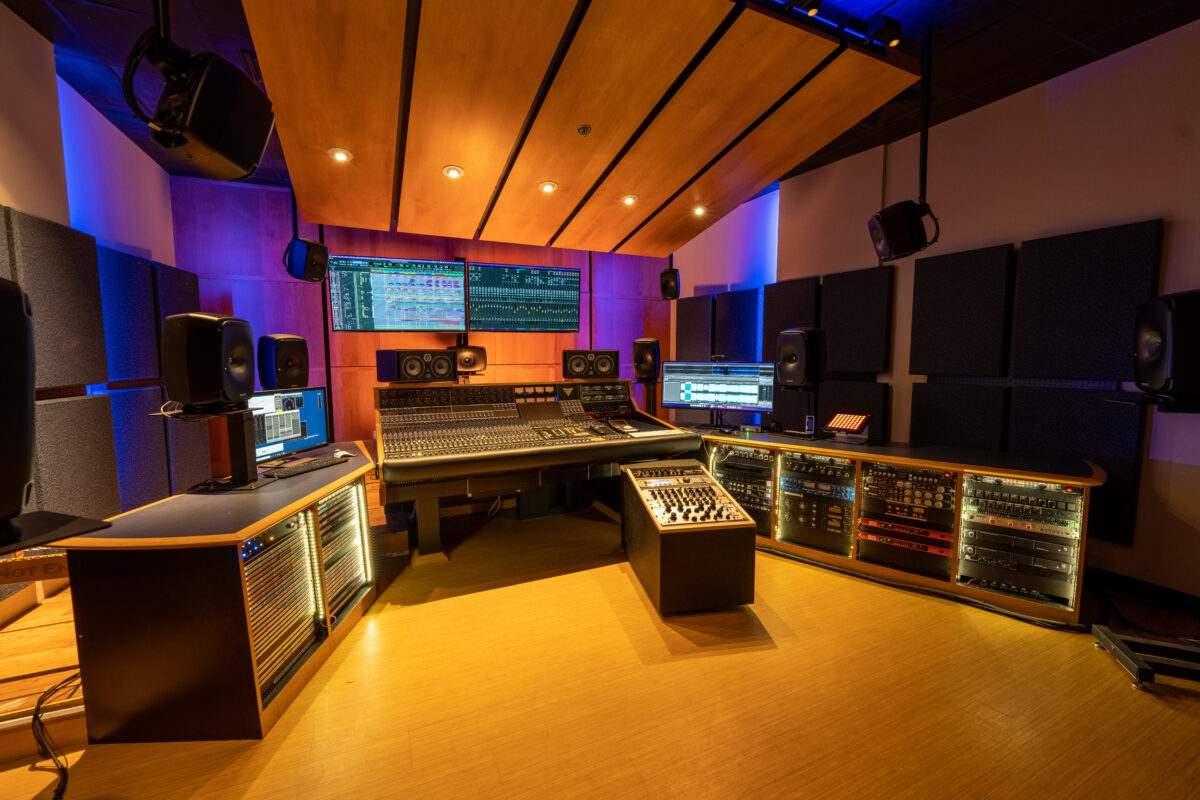
Audio Studio B is a professional, high-end recording and mixing environment centered around a 32-channel API Vision analog recording console and Avid S3 control surface. The studio supports stereo, 5.1, 7.1 surround, and Dolby Atmos, making it suitable for both conventional music production and immersive/spatial audio work. Similar to Audio Studio A, it has an extensive collection of analog and digital outboard equipment—including mic preamps, equalizers, dynamics, delays, and reverbs.
Spatially, Studio B functions primarily as a control and mixing environment, but it can also be paired with Studio C so that one room operates as the control room while the other serves as a tracking space. This makes the two studios particularly useful for larger recording projects and collaborative production.
Visit the equipment list to see all tools available.
Visit Audio Studio B Wiki page for more details.
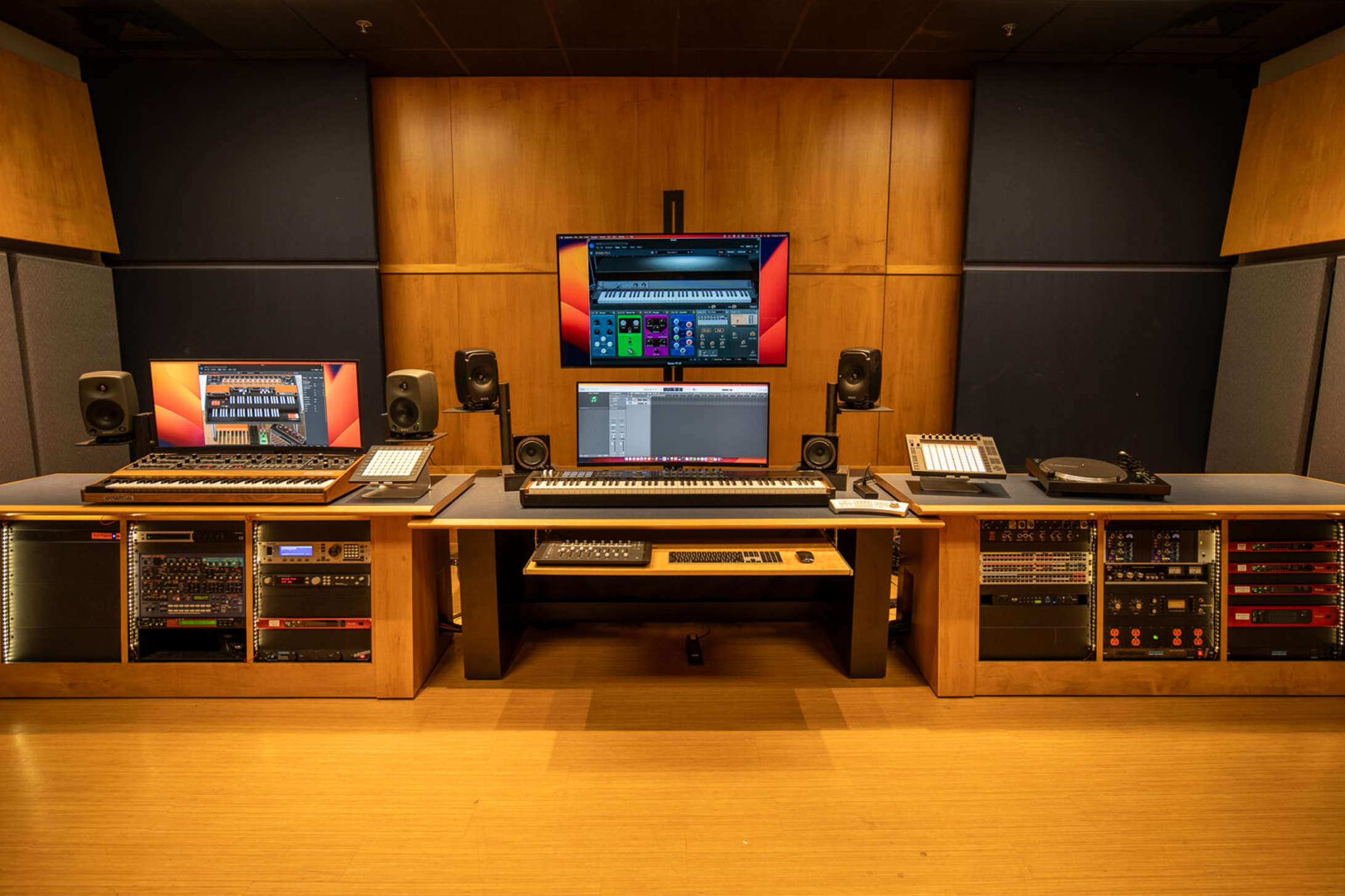
Audio Studio C is a flexible composition, recording, and mixing space designed around a combination of analog and digital workflows. It features 16 Dante microphone preamps, an Avid Artist Mix control surface, a Novation Launchpad Pro, and an Ableton Push. The studio also includes a Prophet-10 analog synthesizer, an 88-key weighted Arturia controller, digital synthesizers, a direct-drive turntable, as well as analog microphone preamps, equalizers, dynamics, and reverb.
Compared with Studio B, Studio C has a more creative and experimental character, particularly suited to electronic music composition, sound design, recording, and hybrid analog/digital production. Its equipment allows users to move between traditional recording techniques and computer-based music creation within the same room
Visit the equipment list to see all tools available.
Visit Audio Studio C Wiki page for more details.
Support Us
A gift to the Audio Studio Fund at the Duderstadt Center will enable us to continue providing cutting-edge audio production resources to the University of Michigan community. Your generosity will ensure our students and faculty have access to the best tools, spaces, techniques, and expertise, giving them the confidence to produce world-class content that sets them apart from the competition. Together, we can empower the next generation of creators to make their mark in the world.
Contact Us
Have a question or want to learn more about the Audio Studio and its resources? Reach out to [email protected] for information. Our team will help direct you to the right resources and follow up as soon as possible.
Studio Team Staff
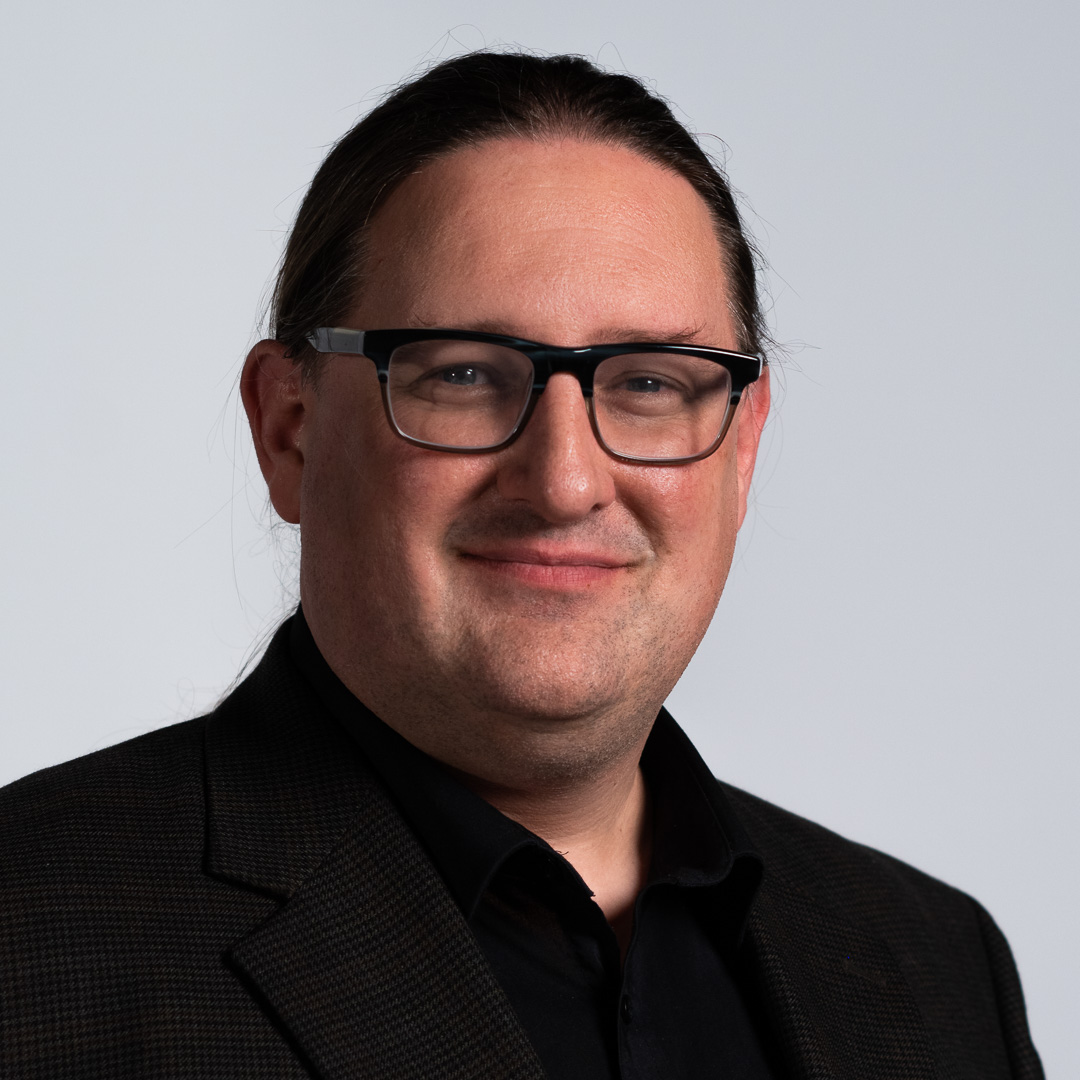
Stephen Eberle
Associate Director, Media & Studio Arts
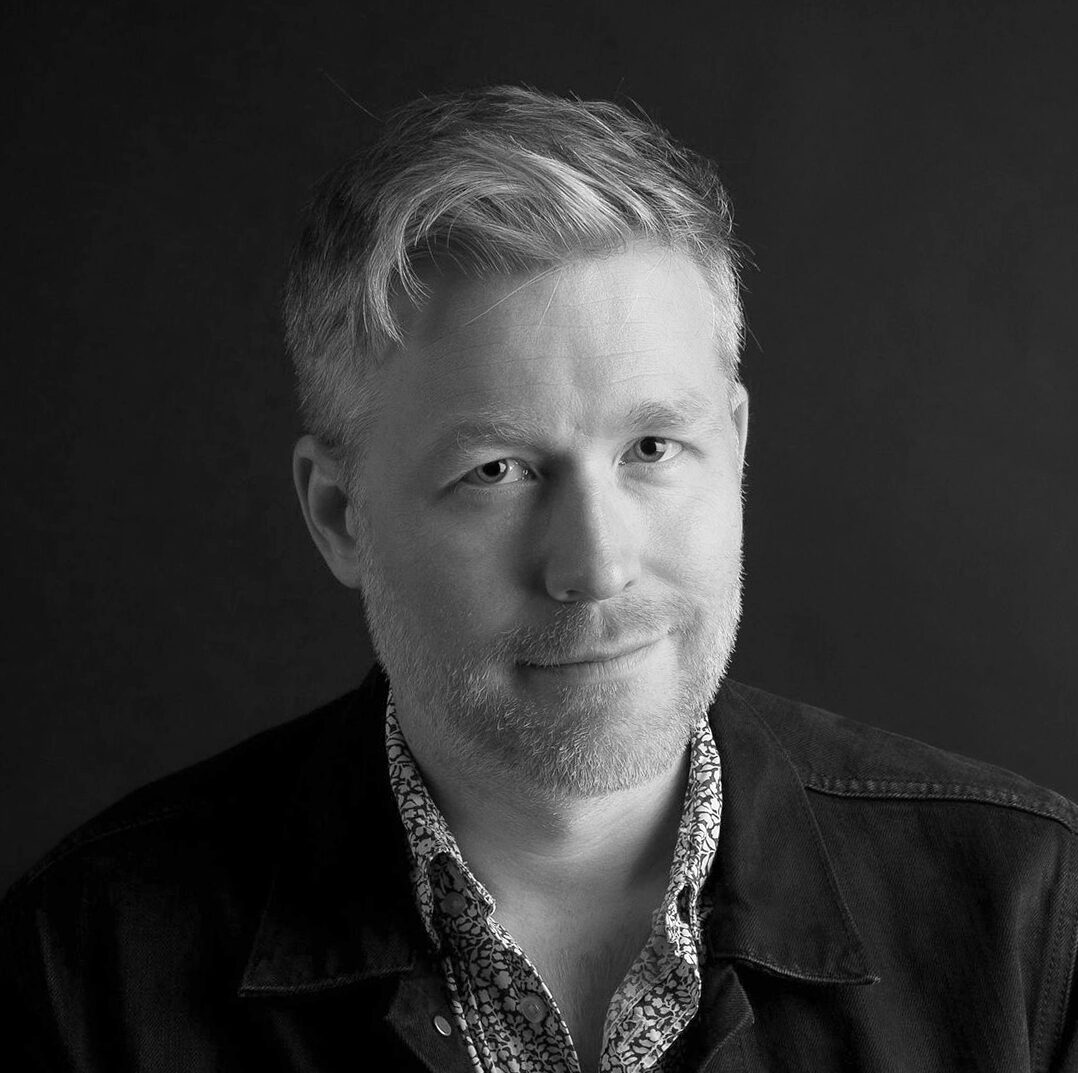
Matthew Girard
Managing Producer, Audio Studios
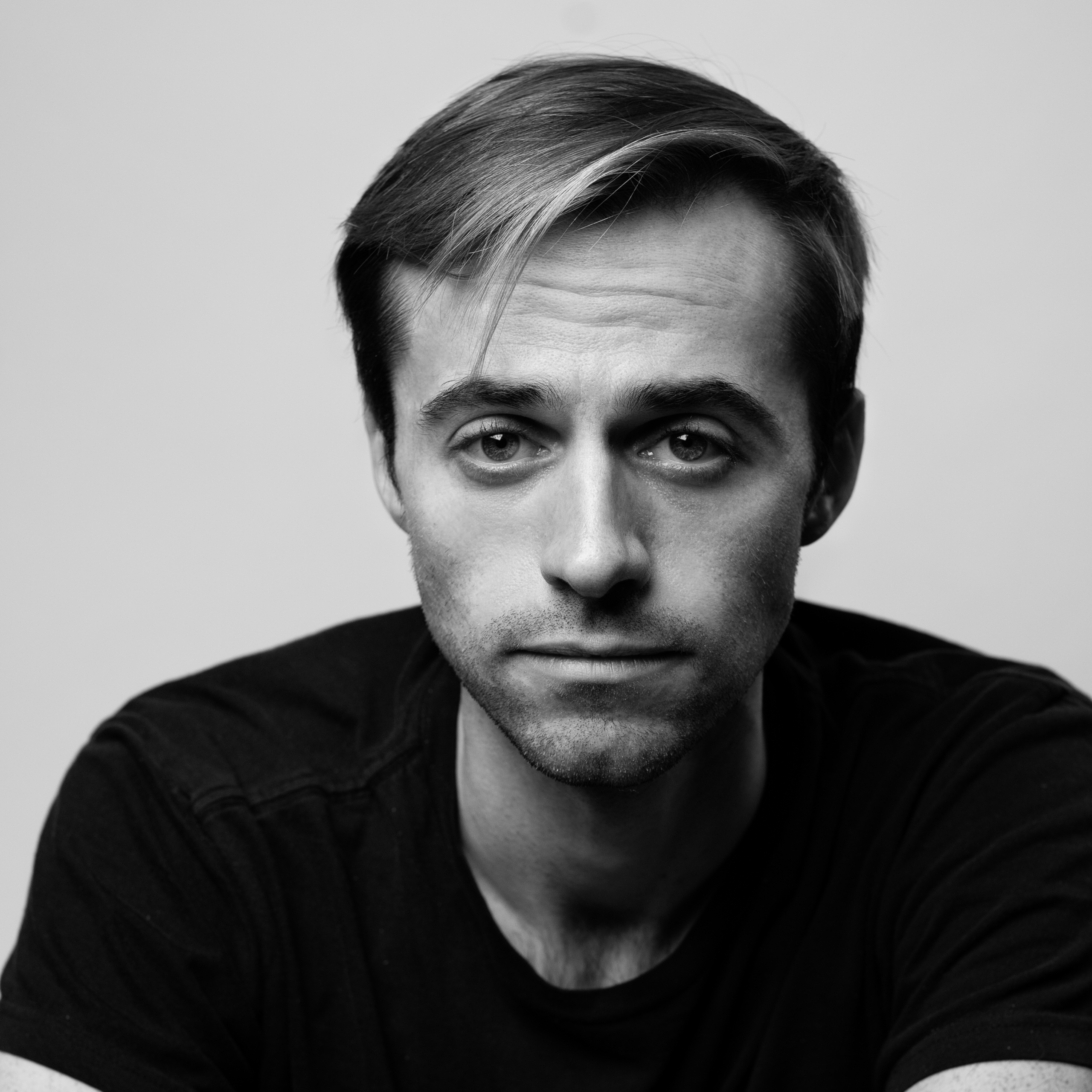
Patterson McKinney
Managing Producer, Video Studio
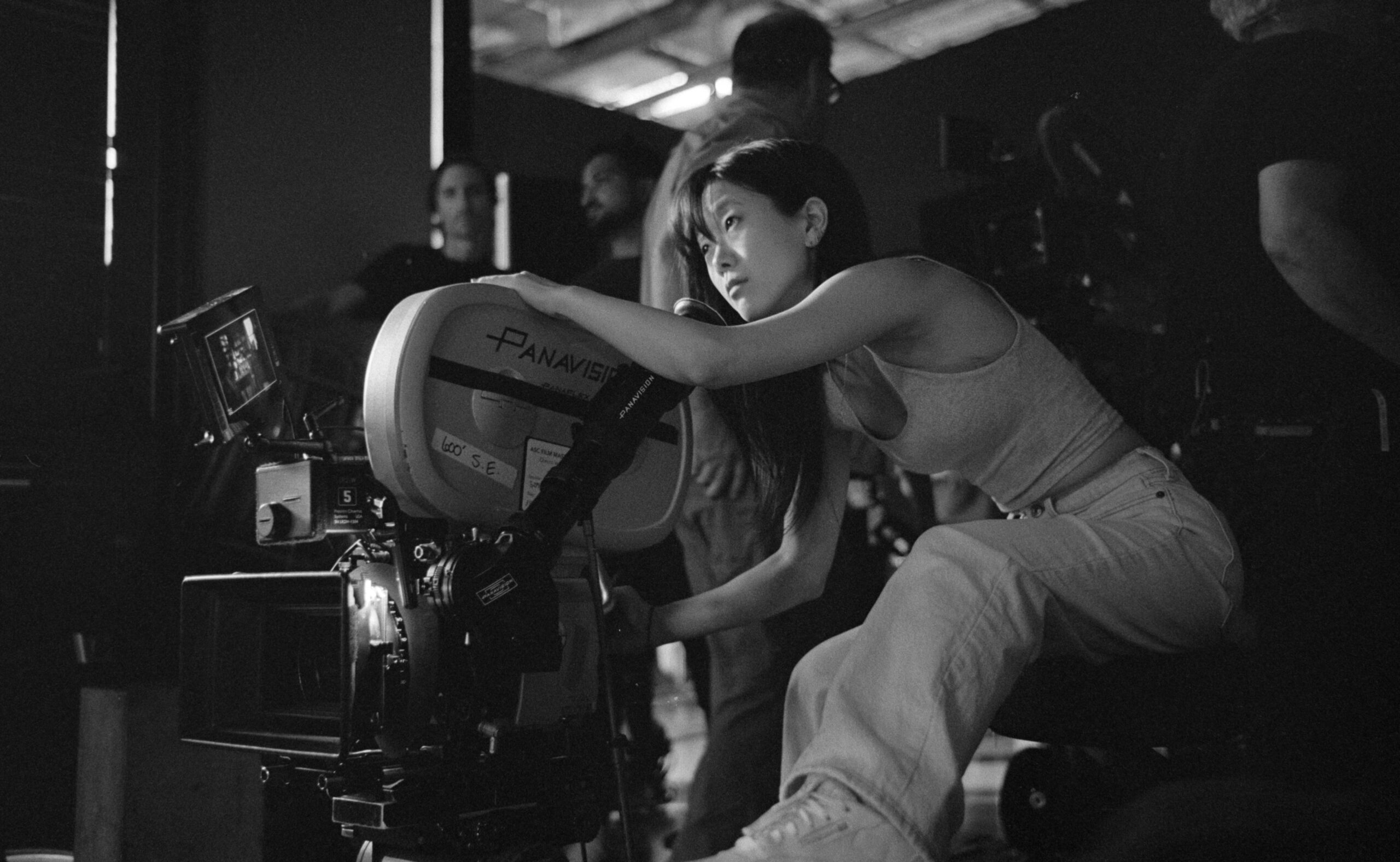
Catherine Miller
Assistant Managing Producer, Video Studio
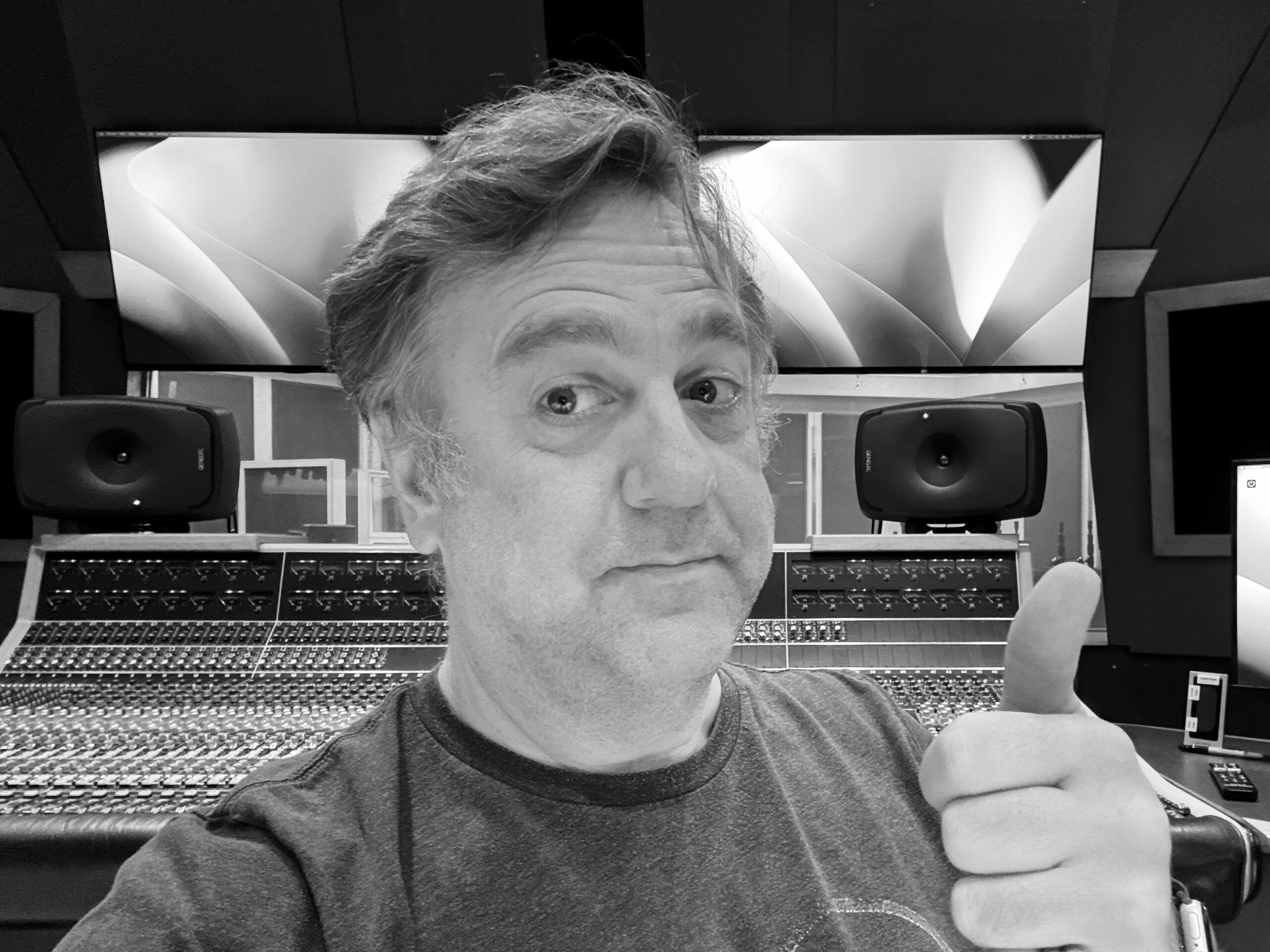
Jim Roll
Assistant Managing Producer, Audio Studios
Nathan Hutchins
Production Specialist, Video Studio
What Our Collaborators Say
“As someone who works on the audio studio team, I can say the team always does a great job preparing for and meeting the needs of collaborators, and my project was no exception!”
Stephen ElsingerSMTD Student, School of Music, Theatre&Dance
“The Audio Studio at Duderstadt is not only professional—they go above and beyond for your specific project. Our audio engineer even stepped in to perform a particular audio cue that we didn’t know we needed!“
Julie ZhuAssistant Professor/Postdoctor Scholar, School of Music, Theatre&Dance
“Working with Audio Studios to create a full-length album of music for patients in the adult hospitals at Michigan Medicine was a dream come true. We could not be happier with how it turned out.”
Samuel VandiverArts Programming Coordinator, Michigan Medicine