
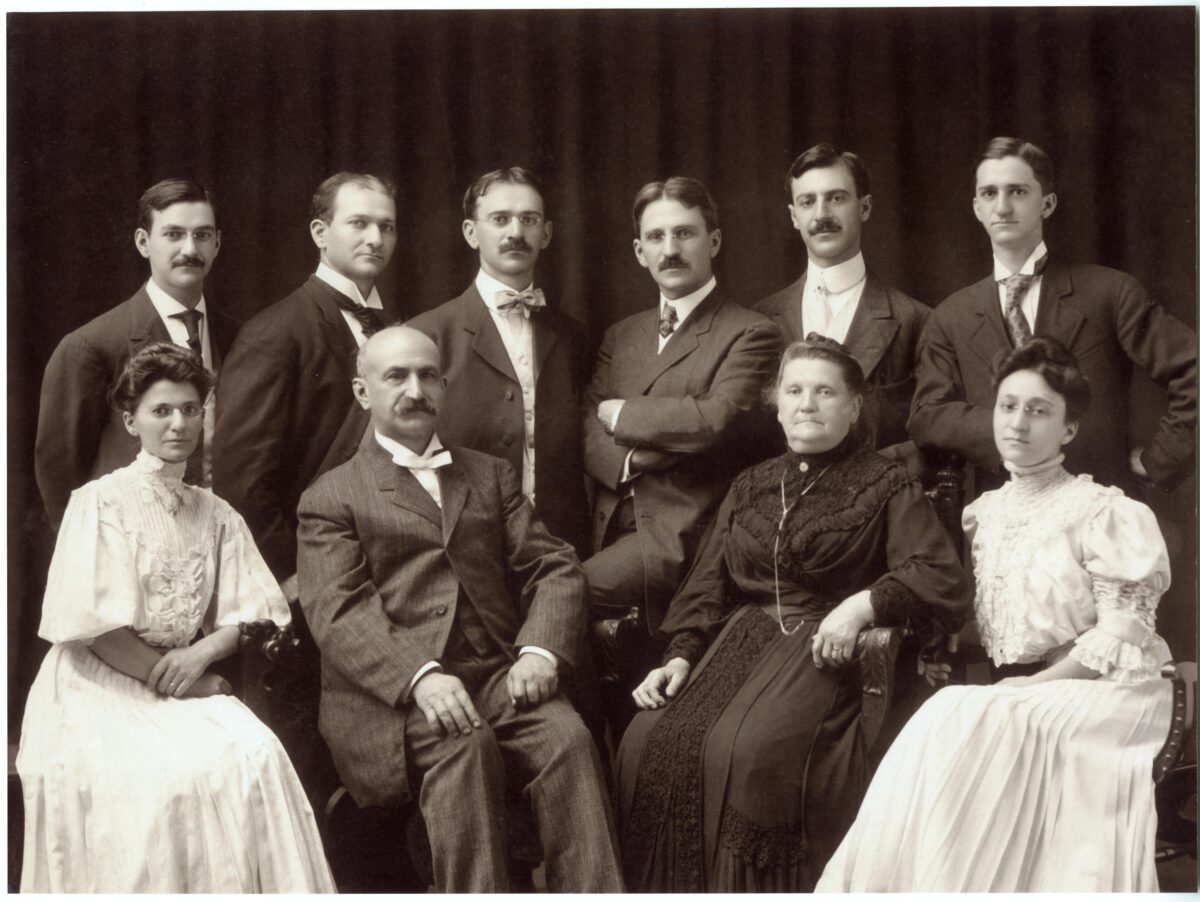
For anyone who has walked around the University of Michigan campus, they have definitely passed by a building designed by the architect, Albert Kahn. From the grand Hill Auditorium and the Burton Tower behind it, to the beautiful William L. Clements Library, 19 out of 23 Kahn-designed buildings remain on campus and in Ann Arbor today.
However, for Albert’s granddaughter, Carol Rose Kahn (Ms. Kahn), she wanted to call attention to some of the overshadowed members of the Kahn family.
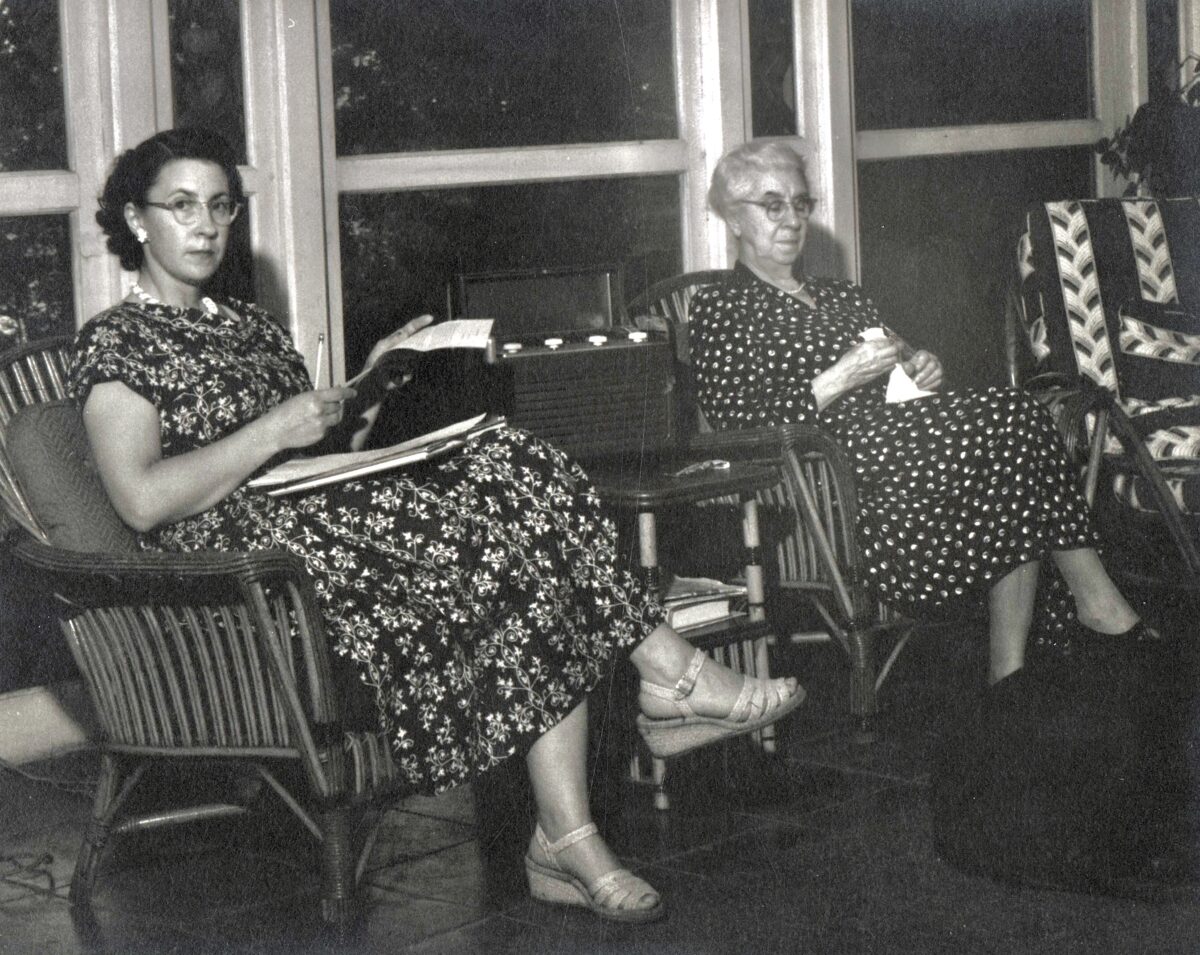
“Albert’s stories are incredible,” Ms. Kahn said. “But then to learn that there’s this community of other people involved … he did not do this all by himself because no one person could do this alone.”
Here, Ms. Kahn refers to the Kahn women who supported Albert in his endeavors but left their own marks on the world. In the exhibition “Women of the Kahn Family,” the stories of the female Kahns like Ernestine Krolik Kahn, Albert’s wife, will finally take center-stage. Some work of Mary Chase Perry Stratton, a frequent colleague of Albert with contributions found at Hill Auditorium, will also be featured. The exhibition will be open to the public at the Duderstadt Center Gallery from January 6th to 20th, 2026, celebrating both the 30th anniversary of the Duderstadt Center while bringing the spotlight to the Kahn women.

From what started as a project for an oral history class she took in college, Ms. Kahn has continued to dig deeper into her family’s history. With the help of her colleague, Annabelle Otto, they began compiling documents and photos detailing the lives of some of the Kahn women.
“I’ve been spending lots of time trying to learn about Albert and there’s so much about him that overshadows these women who are remarkable,” Ms. Kahn said. “So we’re uncovering these stories and there have been a lot of cool discoveries.”
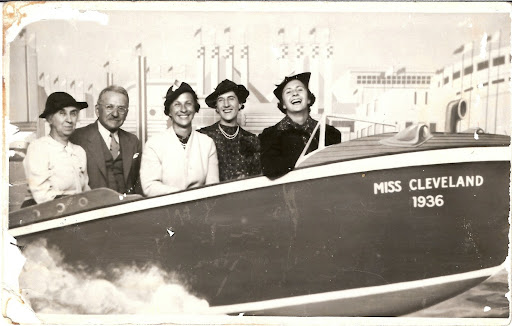
Otto said a Kahn woman who fascinated her was Gisela Kahn Gresser, a formidable chess player, artist, and scholar. Gisela won the 1954 U.S. Women’s Open Chess Championship, and won nine national chess championship titles over her career as a chess player, which did not start until her 30s. The exhibition will feature unique items from Gisela’s life — and death.

“We have a picture of her death mask,” Otto said. “That was a Victorian thing that people did back in the day, and she only died in the year 2000. So I thought that’s so interesting that someone made a death mask for her … And she wrote some poetry, so we’re going to have some of that up.”
Ms. Kahn and Otto said they want to involve U-M students with the exhibition, signaling a new chapter where younger generations can learn and interact with the history of the Kahn women.
“It’s exciting to get students interested in this stuff and contribute something new to this project,” Otto said. “It’s so exciting to find old things that feel new to us, but to have someone create a whole new original thing, [with] whatever intention they have, that’s really exciting to me.”
Speaking of younger generations, Case Kittel, Ms. Kahn’s son and great-grandson of Albert Kahn, is proof that design and creativity is still alive and well within the Kahn family. “I went to Michigan, became a civil engineer, sort of following in those footsteps, not on purpose, but it sort of just kind of happened that way.”
Being a U-M alum is not a unique trait for Kittel in his family, as the Kahn’s have strong family roots in getting their education at the University of Michigan: especially the women. As a student at Michigan, Kittel also spent a lot of time in the Duderstadt Center designed by his great-grandfather.
For the legacy of “Women of the Kahn Family,” Case — a self-taught photographer and drone operator — was able to shoot aerial drone footage of the building, highlighting elements created by his fore-elders.
“We filmed right around sunset, I specifically tried to pick that time just for the better light to show off the building,” Kittel said. “The skylights in the Duderstadt Center let in a ton of natural light and back when I studied there, even late in the evening or at sunset, the sunset would come through the windows. I tried to highlight some of that while filming.”
The drone footage will also be on display in the exhibition, allowing viewers to see not-easily-accessible views of the Duderstadt Center.
“I’m trying to kind of pay respect to the Albert Kahn family, but then also the women behind the scenes.” Kittel said. “It’s cool to even have a small part in something like this, with my mom becoming a part of the story that she’s telling herself.”
The “Women of the Kahn Family” exhibition would like to thank its supporters, the Albert Kahn Legacy Foundation and the Michigan Architectural Foundation, for their help with this project. The exhibition will be in the Duderstadt Center Gallery from January 6th to the 20th, 2026, and open to the public during the gallery’s hours.
Photo Credits: Courtesy of the Kahn Family
Article By Emma Powell and Eilene Koo